
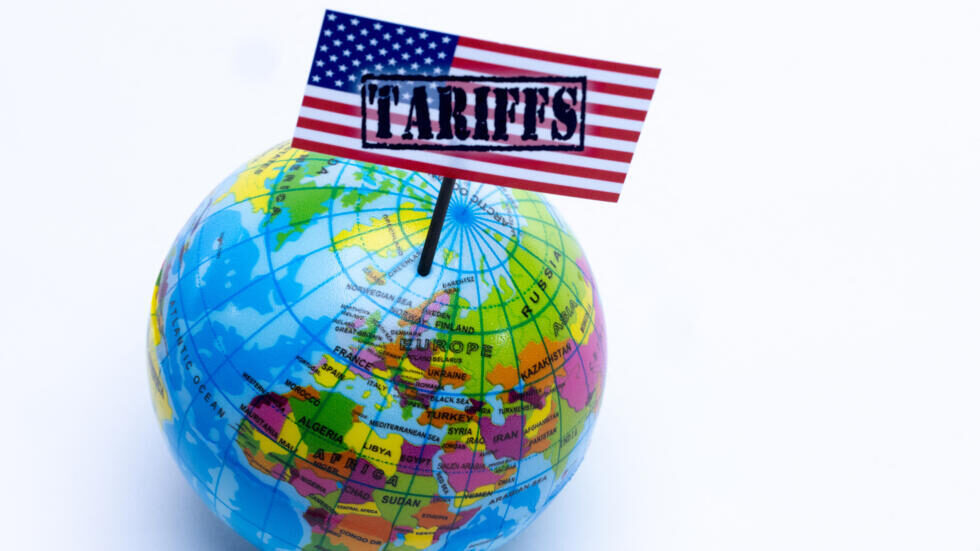
The recent imposition of a 37% import tariff by the United States on goods from Botswana has cast a shadow of uncertainty over the nation’s export sector, including its emerging horticulture industry. This tariff, announced as part of a broader “Liberation Day” initiative by the US to address trade imbalances, has raised concerns in Botswana about its potential impact on trade relations and economic growth.
While Botswana’s overall trade with the US shows a surplus, with exports exceeding imports, the new tariff could significantly alter the competitiveness of Botswana’s goods in the American market. Although direct horticultural exports to the US are currently minimal, the potential for growth in this sector could be hampered by the increased cost burden imposed by the tariff.
The Bank of Botswana has already cautioned that this tariff could adversely affect the country’s exports to the US, highlighting the growing global economic uncertainty fueled by shifting trade policies. The tariff also overrides the preferential treatment Botswana previously received under the African Growth and Opportunity Act (AGOA), which allowed eligible African nations to export certain goods duty-free to the US.
It’s important to note that the 37% tariff is reportedly based on the US assessment that Botswana levies a 74% tariff on American imports, a figure disputed by local officials.